
"Hippocrates, the father of medicine, said that the use of honey led to an extremely old age. He prescribed it to combat fever, injuries, ulcers, and festering wounds," writes Henri Joyeux in his book Les abeilles et le chirurgien (The Bees and the Surgeon), which was published on April 26 by Éditions du Rocher.
A book that invites you to discover apitherapy, or the art of healing with products from the beehive. Although the medical use of honey has been deeply rooted in Eastern Europe and Africa for centuries, French doctors have only recently shown interest in it.
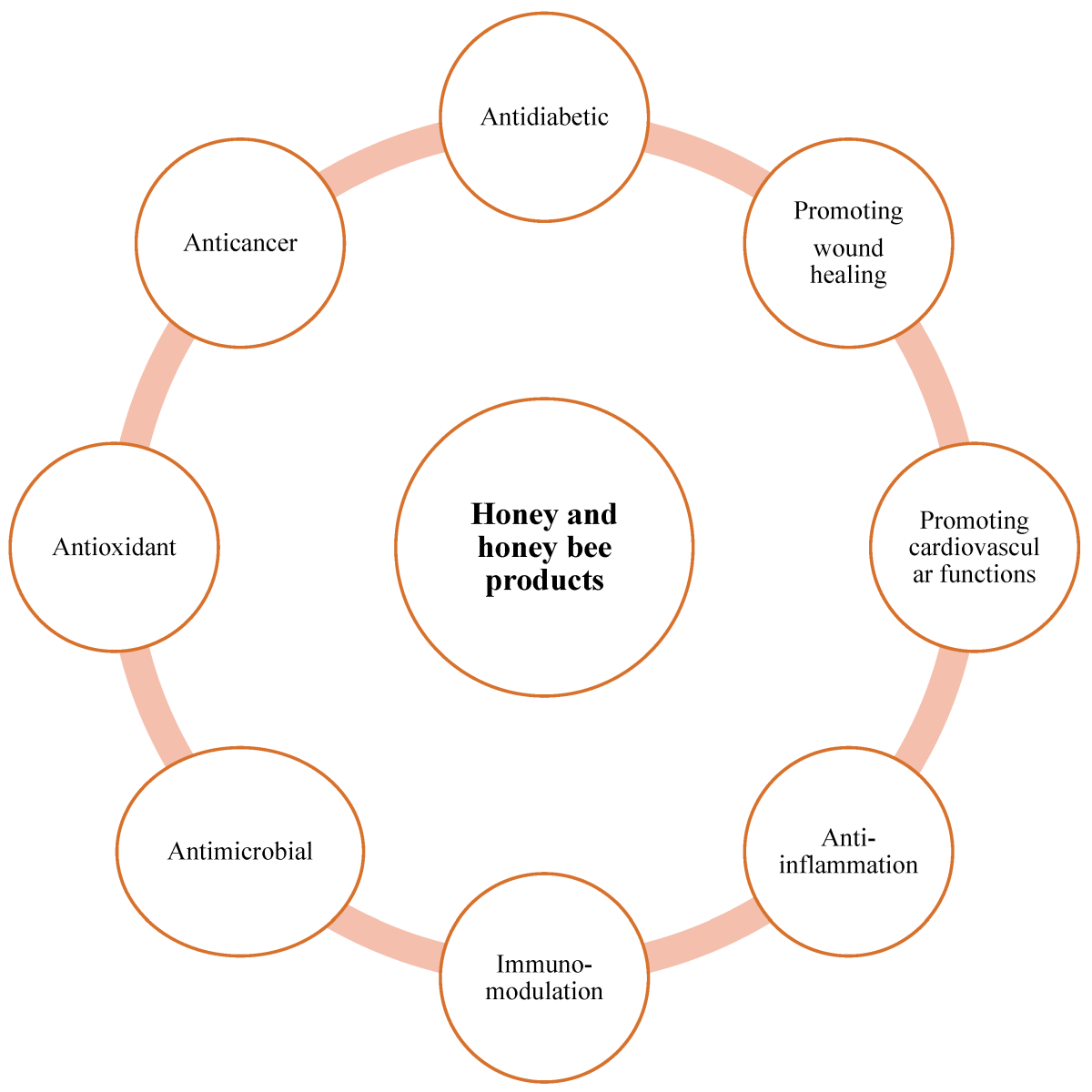
"Currently, a growing body of medical work shows that honey is not only an effective and safe product for treating wounds, but also an interesting and inexpensive way to combat bacteria that have become resistant to antibiotics. This is a major public health problem in countries with high levels of sanitation," explains Dr. Albert Becker, president of the French-speaking Association for Apitherapy.
Honey contains two proteins that explain its antibiotic-like properties
- Inhibins : these inhibit the reproduction of bacteria.
- Defensins : proteins found in various vertebrates and invertebrates (including insects) that play a role in the human immune system.
Disruption of this protein's function causes chronic diseases, including Crohn's disease. The bee produces defensins and adds them to the honey, where they appear to retain their immune-boosting properties for the benefit of the bee larvae.
Dutch researchers have recently demonstrated that these defensins are the most powerful natural antibiotic substance in honey. The substance proved active in vitro (in the laboratory) against Bacillus subtilis, against strains of Escherichia coli that are multi-resistant to antibiotics, and against staphylococci responsible for hospital-acquired infections, such as methicillin-resistant Staphylococcus aureus (MRSA), ciprofloxacin-resistant Pseudomonas aeruginosa, and vancomycin-resistant Enterococcus faecium. All these microbes were killed by 10 to 20% honey in their culture medium (1 or 2 milliliters of honey per 10 milliliters of bacterial culture), or by 40% sugar extracted from honey.
A powerful antiseptic
This Dutch study* recently reported the destruction of bacteria that are multi-resistant to modern antibiotics, such as Escherichia coli or Staphylococcus aureus, by adding 10 to 20% honey to their culture medium. These properties are due to the work in the beehive, a true miniature laboratory that converts floral nectar into a product with complex properties.
"The bees bring the nectar to the hive, where they dehumidify it via trophalaxis in order to preserve it. This process consists of spitting the nectar out of their honey stomach and passing it from mouth to mouth. Thanks to the chemical reactions that then occur with the bees' secretions, the nectar acquires its rich amount of enzymes and its high antiseptic power," explains beekeeper Catherine Ballot-Flurin.
The antiseptic nature of honey is therefore linked, on the one hand, to the presence of two types of proteins: inhibins, which inhibit bacterial growth, and defensins, which strengthen immunity.
On the other hand, the high sugar content, low water percentage (15 to 18%), and acidity create conditions in which microbes cannot grow.
Soothing a sore throat and facilitating coughing Pure honey is known to be a perfect remedy for the common cold. A mixture of honey and fresh lemon juice can be taken to treat a sore throat or cough.
*PAULUS H. S. et al. How honey kills bacteria. FASEB J. 2010 24: 2576-2582.
A good healing agent
Finally, honey facilitates wound healing thanks to an enzyme called glucose oxidase. This enzyme, secreted by the bee, converts part of the glucose into hydrogen peroxide. This determines the acidic pH value of honey, which is hostile to bacteria. Hydrogen peroxide stimulates the repair of blood vessels in wounds and the formation of tissue, which is necessary for healing. In the form of standardized dressings or applied directly to the wound, honey is currently used in more than 20 French hospitals, according to Prof. Henri Joyeux.
In his book, he emphasizes the importance of using medical honey or honey from reputable producers who respect apitherapy standards, in order to preserve all the properties of this delicate product. "It must be stored in glass jars, cool at 8-14°C, out of the light, and for less than 15 months. Unlike wine, honey does not improve with age!" Although the use of suitable honey on minor wounds at home may be considered, this "does not replace a medical consultation. This is absolutely necessary if no improvement occurs or for wounds larger than 1 cm," reminds Dr. Albert Becker.